Some new ideas for getting kids outdoors

For the past few days, I’ve been participating in Robert Bateman’s Get To Know your wild neighbours unconference. This has been several days of discussions around getting kids involved in nature. Tons of ideas.

Here are the two biggest ones that I’ve heard so far. In his keynote speech the other night, Robert Bateman suggested that the best thing that we can all do is simply take your children and their friends and parents into the outdoors. It’s really simple, but that’s what will make it work. Make it a weekly habit and pretty soon we will have a lot more kids going outdoors.

But what do you do when you get out there? How will you know what to tell the kids about the various species? That’s where the second idea comes in – and it’s really simple – take photos of various species and go home and learn something new about the species. Parks could help with that as well by thinking about their park design. How many times have you been walking through a forest and seen a sign that has the Latin name of the tree and no other information? That is the ultimate “so what?” moment. Those signs should have some more information about the species. They could tell us something about the plants and help people learn something deeper about them. We should all write letters to the local parks departments offering to help research one plant to help this happen. It wouldn’t take much – one fun fact on a laminated sign would be enough.

I think we need to understand that getting kids outdoors doesn’t mean going to a national park (though there are lots of great reasons to go to a national park – check out my parks pass for grade eight students for a free way to get in) – going for a walk in the local park, a walk on the boardwalk or exploring a local wood lot on a local level make a huge difference on the lives of young people.
Ducks and germs

It’s been a very busy summer, so I apologize for not writing much lately. I have been outdoors a lot and have a lot of new material to share. The first is a vingette from and fternoon this summer. I took my son to the local duck pond to feed said ducks and was pleased that I wasn’t the only one there with a child. Another parent had her three little girls there and was telling her about the ducks. Suddenly without warning she started to tell her one little girl that she was bad. What had the child done? She had put her hand into the pond. The pond had “duck germs” and the child would get sick.

I mention this story because there are many ways that we, as adults, can harm a childs love of nature. This is one. We also will tell them that bugs are gross, digging in the dirt is dirty and that its not safe in the woods with the cougars and the bears and the trees and whatnot. A friend actually shared the tore this summer that a school board was removing white pines because a child could get hit by a pine cone falling. This kind of lunacy has to stop. We can start by letting kids get wet, get dirty and enjoy the great outdoors.

Riverdale Farm

I grew up in Toronto, not quite downtown, but definitely an urban area.  Finding out about where food came from would have been difficult if not for the efforts of my parents (my grandmother lived on a farm) and school trips to apple orchards, a sugar bush (which I’m pretty sure was also the apple orchard) and to Riverdale Farm.  Riverdale Farm is a brilliant idea – a working farm in the middle of a very urban part of Toronto – it’s just off the subway line and allows schools to really show kids where eggs come from and how we get milk.  The experiential educator in me loves it – kids really understand things when they can see them, feel them and smell them.

That’s why I felt horror when I read today that the City of Toronto is thinking about closing the farm.  This is one of those things that will save money in the short term but, like the closing of outdoor schools in Ontario during the 90s, will have far reaching consequences.  Those closings have left a generation of students without an easy route to learning about nature .If this farm closes, kids who have grown up in downtown Toronto won’t care where their food comes from (or will even know).  They won’t think to check if the tomatoes that they are buying were grown locally (and taste good) or came from Florida and might have been grown with slave labour.  They won’t care about the demise of the family farm and the rise of factory farming.

We should be opening more of these food education centres in the world, not closing the few that we have.  We should be encouraging kids in Toronto to help grown gardens and collect eggs so that they know what goes into the food they eat.  We should be following the example of Jamie Oliver and using the food grown to teach healthy eating habits.  These are special places that need to be saved!

Traffic

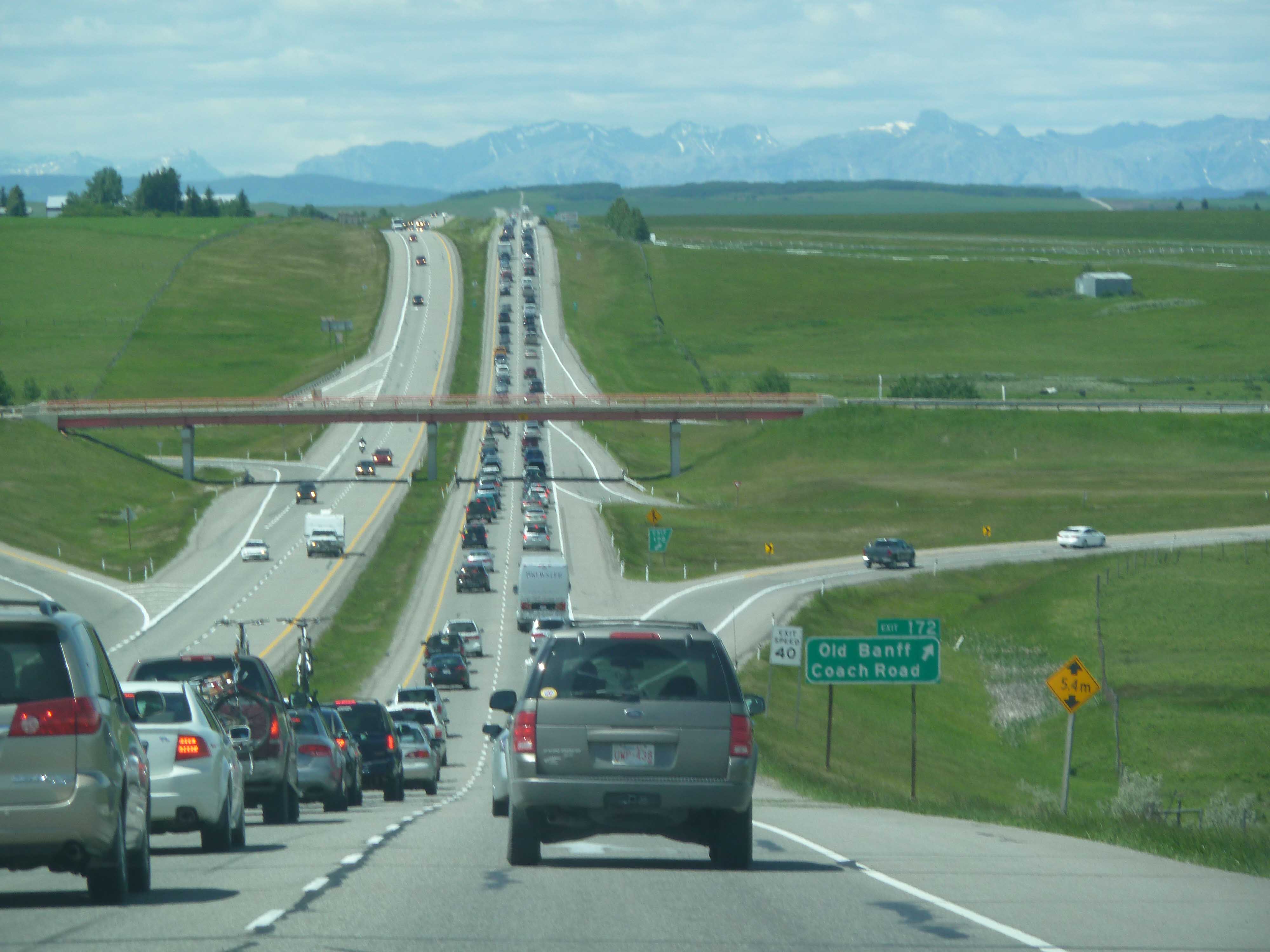
This is the highway, leaving Calgary, heading toward Banff on any given weekend in the summer (in the winter, the cars will have skis on the roof). Banff is one of the nicest places in the world and I can understand why so many people would want to visit there.  It’s beautiful, quaint and easily one of the 500 places you have to see before you die.  It’s not, however, the only place to find nature around Calgary.  Nature is everywhere – I think I’ve mentioned this before.  In Calgary, there is even a Provincial Park right in the middle of the city (Fish Creek Park) – a major place to find nature while staying on a bus route.

Barriers to getting outdoors – bugs

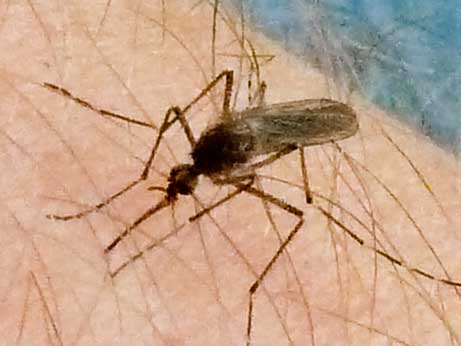
This summer has been a terrible one for bugs, specifically, mosquitos.  They’ve been swarming and buzzing around our backyard so badly that, without help, we’re not going to be able to spend any time outdoors without getting bitten hundreds of times.  That doesn’t stop us though, I’ve just taken some precautions.

About ten years ago, I did a lot of research about various ways of discouraging biting insects.  At that time, the University of Guelph had done a comprehensive study on what type of bug juice was the most effective – they tested them all – DEET, citronella, skin so soft, etc.  Here’s what they found:

1) It doesn’t matter what you eat – bananas won’t make you sweeter, for instance.

2) Citronella doesn’t work.  The candles do, but any candle will – it’s the heat that attracts the bugs to the candle and burns them up.

3) DEET works, but works best up to about a 30% concentration and works best when it’s in a cream.  Yes, all of you 100% deet folks out there – you’re stuff isn’t as good as the 30% folks.  Why?  Because DEET evaporates incredibly quickly and 100% will be gone within an hour, 30% in a cream isn’t as exposed so it will take at least 3 hours to be gone.

At the time, they suggested sticking with DEET and that’s what I’ve followed ever since.  It works just fine.  It’s relatively safe to put on and, although it interacts badly with plastic, so do many things.  I put it on my neck and hands and wear long sleeves and pants when I’m in bug country.

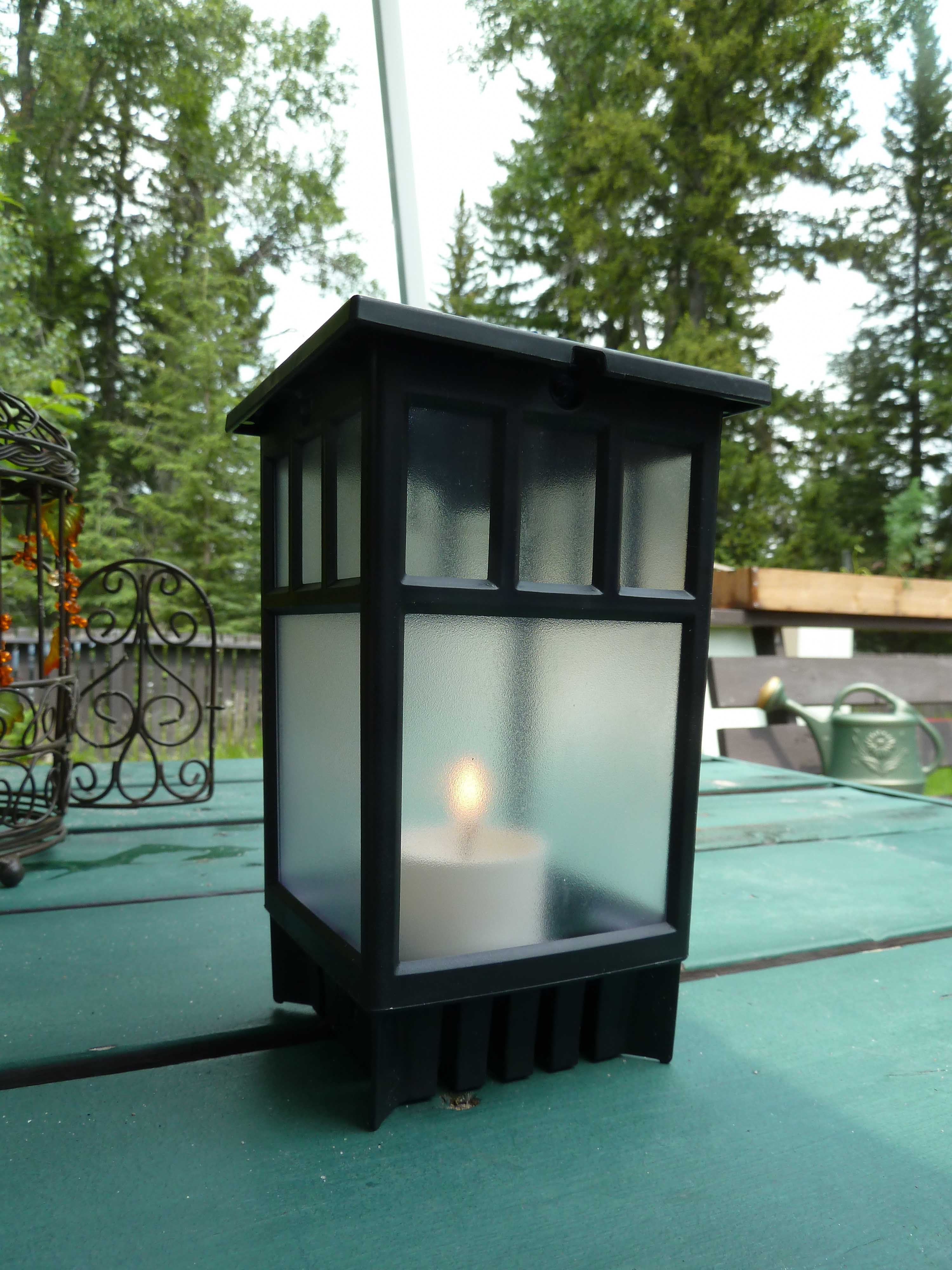
Recently, I’ve rediscovered mosquito coils and a new Off Lantern that is out this year.  This is my new favourite – it’s expensive, but it will clear my backyard and we can have family meals out there again.  I love it!  Well worth the money and something that I suggest.

I don’t suggest the mosquito magnets and the like – they just eat too many bugs and remove a valuable food source from the ecosystem.  Better to just scare that food away than to kill it.

Very busy the next couple of weeks

It’s going to be a very busy few weeks. I’m helping plan a major camping trip and that’s going to take up a lot of time. I will try to blog a bit, and I’m jotting down ideas for some great upcoming blog posts. Here’s what’s coming up that I have so far:

– dealing with Mosquitos in a few different ways
– speaking of bugs – how to avoid making them creepy
– proper clothing for sunny days and avoiding dehydration
– using art to discover nature

And more, as I find new and exciting things. Stay tuned.

Heavy lifting

Pretty early on in our son’s life, we started to teach him that picking up rocks was a lot of fun.  I like rocks and I feel like that can help anchor you with a sense of place.  I have rocks from the beach where I proposed to my wife, canoe trips and, somewhere, even a rock that was slipped into my backpack when I was a canoe guide.  I carried that rock for ten days in an act of ill advised bravado.

Our son has taken to picking up rocks and stacking them, calling them a part of his collection and playing with them.  When he’s older, we’ll be able to look at rocks together and figure out where they came from.  We’ll be able to learn about the earth together.

Sonner than that, I’ll be able to teach him to skip stones (some kids don’t know how to do that anymore) and enjoy looking at water and the splashes that our little rocks make when we don’t quite make it.

For now, though, I’ll just enjoy watching him collect up the rocks, get a bit dirty and have fun outdoors.


Frogs are green contest

Just a quick post to share the Frogs are green art contest.  This is a program that helps kids learn about amphibians and how to protect them.  It’s for kids aged 3 – 12.

More info can be found here

Of sports and such

I joined a rec league beach volleyball team this year. I’m having a lot of fun at it and this is presenting a dilemma for me – I’ve been a pretty strong opponent of organized sports the last few years because of the research out there that shown they rob kids of the ability to learn to play. That doesn’t mean that I’m anti-sport, I’m just not convinced that signing your kids up for league team sports are the way to go.

Instead, I think that there is tremendous value in kicking around a soccer ball with your kids in the local park, making up rules and developing a culture where playing outdoors in an unstructured way is a part of your lives.

I think that rec leagues are a part of that. As long as kids aren’t organized every time that they play, there probably isn’t much harm in them. I’m still not sure that they are a good idea for five year olds, but my mind is opening a bit.

Garden update

Our garden is beginning to thrive.  Our little guy likes going in with his “scooper shovel” and helping to dig around in the dirt with us.  He helped plant the seeds and we’re pointing out the plants that are coming up.  So far, we’re seeing evidence of radishes, peas and carrots (and one lonely bean plant).  I think it’s really important for kids to know where their food comes from and it’s delicious to eat vegetables you grow yourself (plus, my wife wanted a garden – I’m pretty lazy when it comes to gardens and I like the idea, she took the initiative and bought the stuff).

The seasonal wisdom blog published a bigger article today of five reasons kids should garden.  I agree with them on all points and I suggest that you take a read here.

Design a site like this with WordPress.com
Get started